
Overview
What is a delivery robot?
A delivery robot is an autonomous or semi-autonomous mobile robot designed to move items between locations inside a workplace. Depending on the model, it can carry meals, drinks, dishes, linen, amenities, documents, supplies, tools, parts or materials.
Delivery robots are used in restaurants, hotels, clubs, aged care, healthcare, offices, warehouses and manufacturing environments where staff repeatedly walk the same routes carrying items.
Delivery robots are not a replacement for hospitality, judgement, customer service, clinical care or staff supervision. The strongest use case is repeatable movement: kitchen to table, dining area to dish return, reception to guest room, storage to workstation, or back-of-house to front-of-house.
Key principle: A delivery robot works best when the route is repeatable, the floor is suitable, staff are trained, and the robot supports a real workflow rather than acting as a novelty.
Robot types
Types of delivery robots
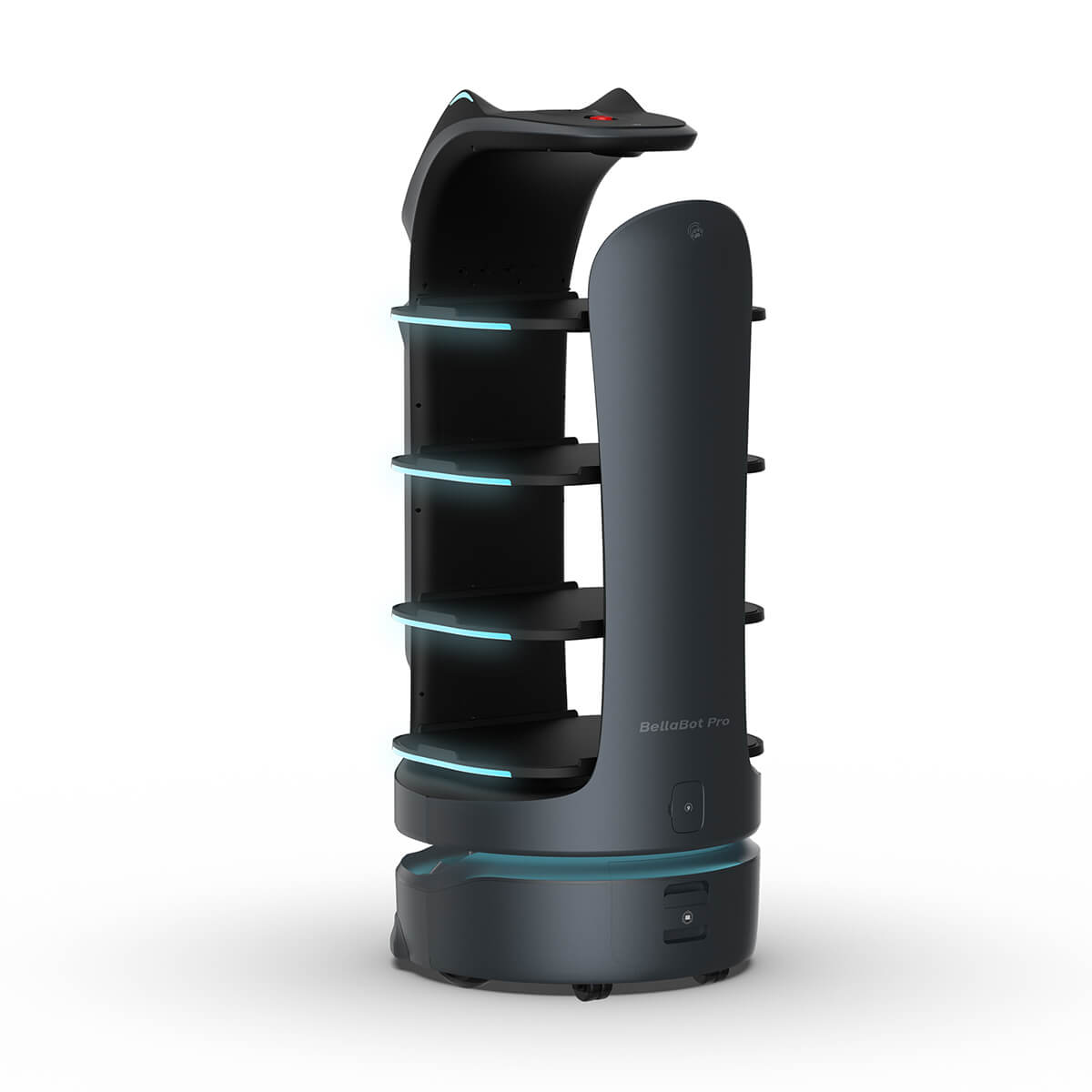
Restaurant food delivery robot
A restaurant delivery robot carries meals, drinks or small items from kitchen to dining areas. It supports runners and waitstaff during busy service periods.
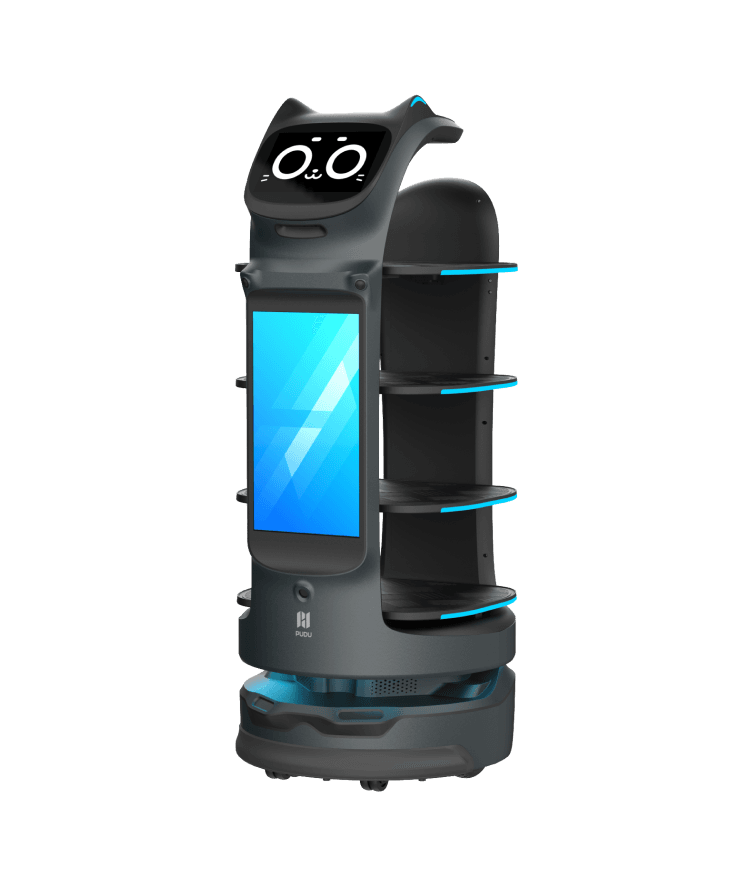
Bussing and dish-return robot
A bussing robot helps collect plates, dishes and trays from dining areas and return them to dishwashing or back-of-house zones.
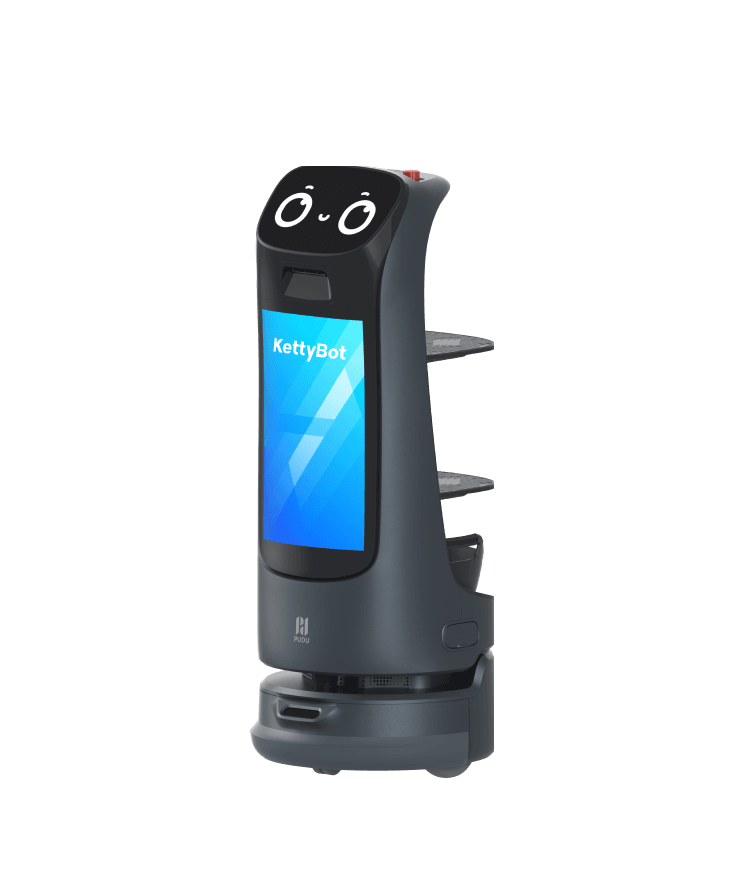
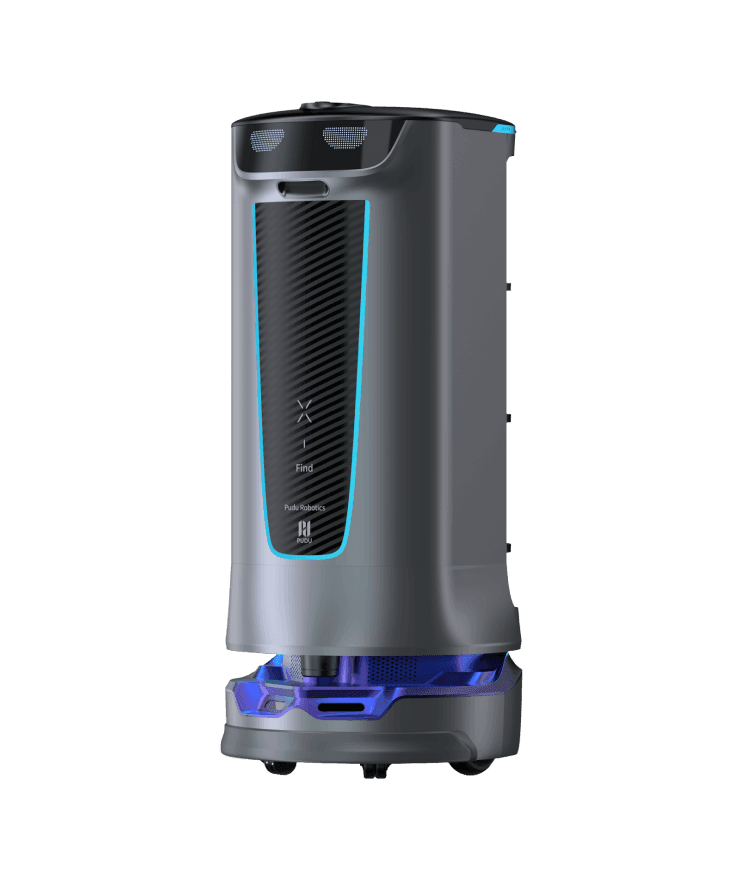
Greeting, guiding and advertising robot
A reception or engagement robot can greet customers, guide guests, display promotional content and support light delivery tasks.
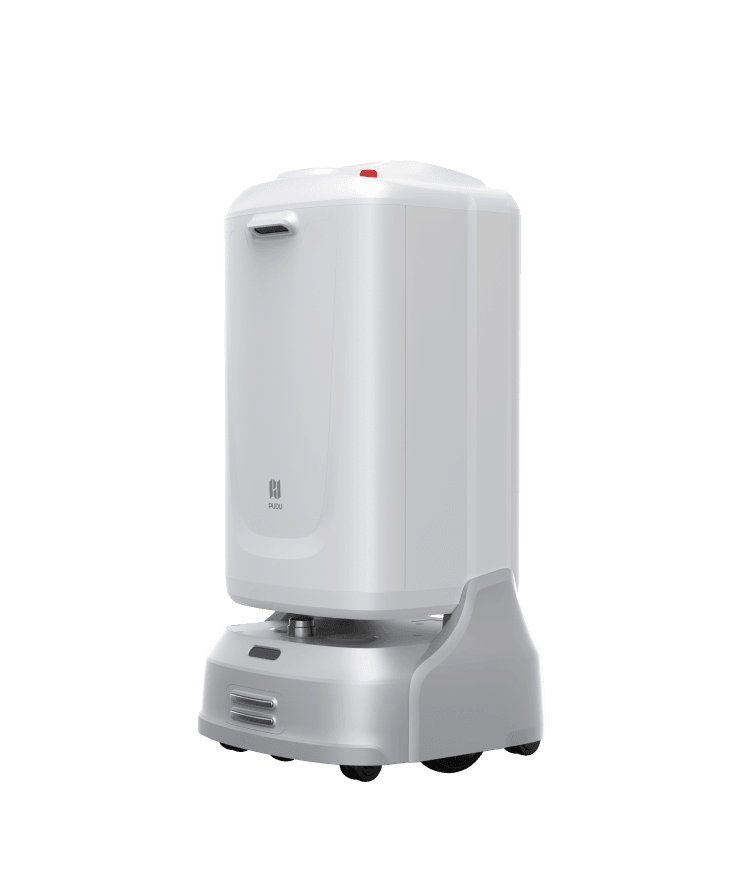
Hotel and room-service delivery robot
A hotel delivery robot can transport amenities, small parcels, room-service items or supplies between reception, storage areas and guest floors where the environment supports robot movement.
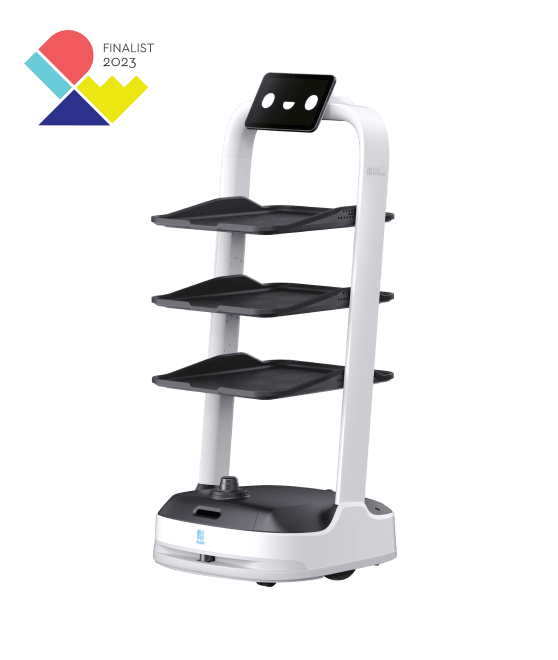
Internal workplace delivery robot
An internal delivery robot moves items such as documents, samples, supplies or equipment across offices, healthcare spaces, aged care facilities or commercial buildings.
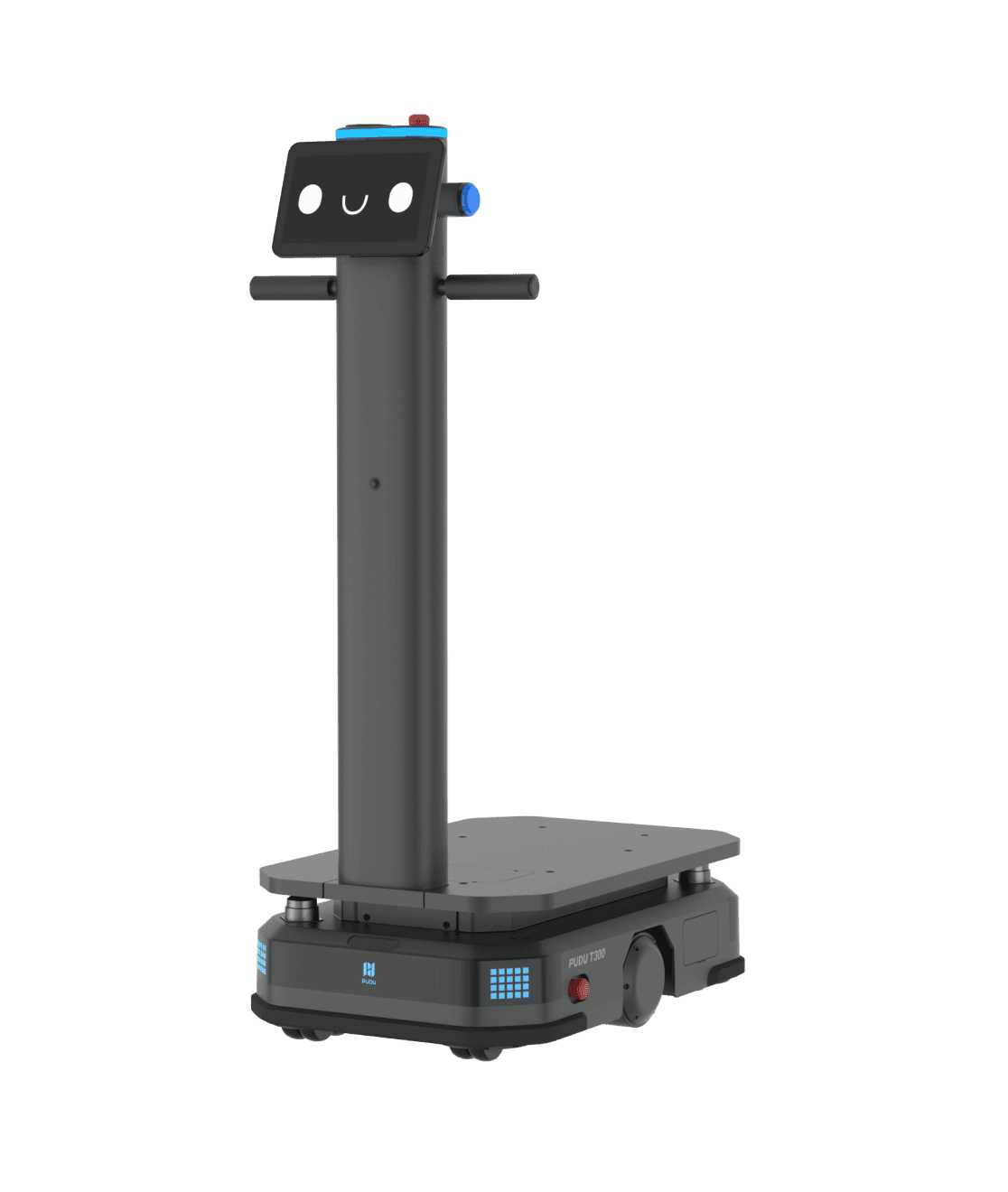
Industrial delivery robot / AMR
An industrial delivery robot or autonomous mobile robot moves materials, parts, components or totes in warehouses, manufacturing and logistics environments.
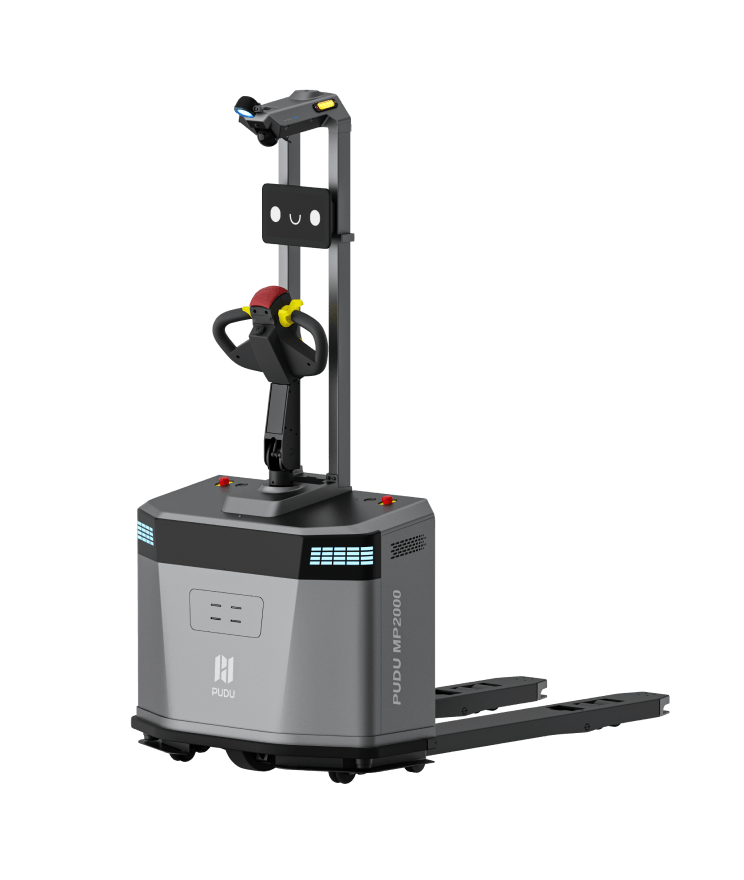
Pallet handling robot / AMR
A pallet-handling autonomous mobile robot lifts and moves full pallets with fork-based pickup — replacing manual pallet-jack runs in warehouses, manufacturing and distribution.
Browse the full delivery robot range.
Industries
Which sites work with delivery robots?
Delivery robots are not suitable for every workplace. The best sites have repeatable routes, enough walking distance, suitable floors, manageable traffic and a clear operational reason to move items more consistently.
Restaurants and casual dining
- •Food running
- •Drink delivery support
- •Repeated trips between kitchen and dining area
- •Reducing staff walking during peak service
- •Table-side novelty when appropriate
Recommended: BellaBot Pro, PuduBot 2, HolaBot
Explore robots for this industry →RSL clubs, pubs and large hospitality venues
- •Food delivery across large dining areas
- •Dish return from bistros and function rooms
- •Support during peak lunch and dinner periods
- •Long walking routes between kitchen, dining and back-of-house
Recommended: BellaBot Pro, HolaBot, PuduBot 2
Explore robots for this industry →Hotels and accommodation
- •Guest amenities
- •Room-service support
- •Parcel or document delivery
- •Linen or small supply movement
- •Multi-floor delivery if lift integration and layout allow
Recommended: FlashBot Max, PuduBot 2, BellaBot Pro
Explore robots for this industry →Aged care and retirement living
- •Meal delivery support
- •Dining area support
- •Linen or supply movement
- •Internal non-clinical delivery
- •Reducing repeated walking for support staff
Recommended: PuduBot 2, BellaBot Pro, FlashBot Max
Explore robots for this industry →Healthcare
- •Non-clinical supply delivery
- •Documents
- •Pharmacy-adjacent or internal logistics support where approved
- •Repeated movement between departments
Recommended: PuduBot 2, FlashBot Max, T300 for logistics-style workflows
Explore robots for this industry →Offices and commercial buildings
- •Mailroom delivery
- •Documents
- •Catering
- •IT or facility supplies
- •Internal courier-style movement
Recommended: PuduBot 2, FlashBot Max, KettyBot Pro
Explore robots for this industry →Warehouses and manufacturing
- •Parts movement
- •Tools and components
- •Repeated material transport
- •Line-side delivery
- •Full-pallet movement
- •Back-and-forth movement between zones
Recommended: T300, T600, MP2000, PuduBot 2 for lighter commercial delivery
Explore robots for this industry →Retail and shopping centres
- •Customer engagement
- •Promotional display
- •Light item delivery
- •Back-of-house to shopfloor support
Recommended: KettyBot Pro, BellaBot Pro, PuduBot 2
Explore robots for this industry →Site suitability
Which floors and layouts work with delivery robots?
Floor and layout suitability should be checked before recommending any delivery robot. The robot must be able to move safely and consistently through real operating conditions.
| Site feature | Suitability | Notes |
|---|---|---|
| Flat indoor floors | Usually suitable | Best for restaurants, hotels, clubs, offices and healthcare spaces. |
| Vinyl, tile and polished floors | Usually suitable | Check slip resistance, transitions, floor condition and crowd flow. |
| Carpet | Model and site dependent | Some robots can operate on carpet depending on pile, route and payload. Test before committing. |
| Concrete floors | Usually suitable | Common in warehouses and industrial areas. Check expansion joints, debris, forklift traffic and route width. |
| Narrow corridors | Site assessment required | Check robot width, turning space, passing points and pedestrian traffic. |
| Ramps or slopes | Site assessment required | Check gradient, payload, traction and stopping behaviour. |
| Door thresholds | Site assessment required | Check height and frequency of thresholds. |
| Lifts | Integration required | Multi-floor delivery may require lift access, building permissions and integration. |
| Busy customer areas | Operational planning required | Robots need clear routes, trained staff and safe customer interaction procedures. |
| Outdoor or semi-open areas | Model dependent | Only specific robots and environments may suit semi-open paths. Weather, lighting and floor condition must be reviewed. |
| Wet, greasy or cluttered floors | Usually not ideal | These increase operational and safety risk and may require process changes before robot deployment. |
Delivery robots should be deployed with staff training, safe routes, clear operating procedures and site-specific risk assessment.
Pricing
How much do delivery robots cost in Australia?
Delivery robot pricing in Australia depends on model, payload, number of trays or compartments, navigation requirements, lift integration, setup, mapping, warranty, support and finance structure.
| Robot type | Typical use | Indicative cost position | Example models |
|---|---|---|---|
| Restaurant delivery robot | Food running and table delivery support | Entry to mid-range commercial robot cost | BellaBot Pro, PuduBot 2 |
| Bussing and dish-return robot | Dirty dish return and tray collection | Mid-range commercial robot cost | HolaBot |
| Reception and advertising robot | Greeting, guiding, promotion and light delivery | Mid-range commercial robot cost | KettyBot Pro |
| Hotel delivery robot | Room service, amenities and secure item delivery | Mid to high depending on configuration and integration | FlashBot Max |
| Internal workplace delivery robot | Documents, supplies, samples, mailroom or facility delivery | Mid to high depending on use case | PuduBot 2, FlashBot Max |
| Industrial AMR / material delivery robot | Warehouses, factories and logistics workflows | Higher commercial robot cost | T300, T600 |
| Pallet handling robot / AMR | Full-pallet movement with fork pickup | Higher commercial robot cost | MP2000 |
Indicative pricing only. Pricing is and subject to model, configuration, finance approval, site assessment, freight, setup, warranty, integration and support requirements.
For most Australian operators, the business case is not only the robot purchase price. The more useful question is whether the robot can reduce repeated walking, support peak service, increase delivery consistency, reduce internal transport bottlenecks or allow staff to focus on higher-value work.
Commercial models
Buy vs lease vs rental: which option is best?
Buy
Best for
- • Businesses with approved CAPEX
- • Sites with a clear long-term use case
- • Operators who want ownership
Pros
- • Lowest long-term finance cost
- • Asset ownership
- • Suitable for long-term deployment
Consider
- • Higher upfront spend
- • Need to budget for maintenance, accessories, warranty and support
Lease
Best for
- • Businesses that prefer predictable monthly cost
- • Restaurants, hotels or clubs comparing robot cost with labour hours
- • Operators who want easier budget approval
Pros
- • Lower upfront cost
- • Easier ROI comparison
- • Can be aligned with operating budget
Consider
- • Total paid over the term may be higher than buying
- • Finance approval may be required
Rental / pilot
Best for
- • New delivery robot use cases
- • Complex layouts
- • Multi-floor hotel deployments
- • Internal stakeholder approval
Pros
- • Lower risk
- • Real-world testing
- • Helps validate staff adoption, customer response and ROI
Consider
- • Usually higher short-term cost
- • Needs clear success criteria
If the route, task and ROI are clear, buy or lease may be suitable. If the site is complex, customer-facing or multi-floor, a rental or pilot can help confirm whether a delivery robot fits before committing.
ROI
Delivery robot ROI: how to calculate payback
A delivery robot does not need to replace staff to generate ROI. In many workplaces, the business case comes from reducing repeated walking, supporting busy service periods, improving consistency, moving items more predictably and giving staff more time for customer service or higher-value work.
Current manual delivery cost = trips/day × avg minutes/trip × days/week × hourly labour cost × 52 weeks
Robot-supported delivery cost = robot lease or purchase + setup + mapping + maintenance + support + remaining staff supervision time
Example: restaurant delivery robot ROI
A restaurant that sends staff from kitchen to dining areas hundreds of times per week may not need a robot to replace a waiter. The ROI may come from reducing low-value walking during peak periods, supporting food runners, improving consistency and helping staff stay closer to guests.
Example: RSL club or large venue ROI
A large club or hospitality venue may have long distances between kitchen, bistro, function rooms and dish return areas. A delivery or bussing robot can support repeated movement across predictable routes, especially during busy lunch, dinner or event periods.
Example: hotel delivery robot ROI
A hotel may use a delivery robot for amenities, parcels or room-service support. The ROI depends heavily on trip frequency, lift access, staff availability, guest experience, route reliability and whether the robot can operate across multiple floors.
Example: industrial delivery robot ROI
A warehouse or manufacturing site may use an AMR-style delivery robot to move parts, totes, tools or materials between repeatable points. ROI is based on reduced walking, reduced transport bottlenecks, more predictable movement and better use of staff time.
Australian context
Australian workplace context: labour, manual tasks and service pressure
Delivery robots should be positioned around practical workplace problems, not hype. Australian restaurants, hotels, clubs, aged care providers, healthcare sites and industrial workplaces often deal with repeated movement of food, dishes, supplies, linen, parts or materials.
Jobs and Skills Australia identifies Accommodation and Food Services as a major Australian industry covering cafes, restaurants, takeaway food, pubs, bars, clubs and accommodation. These workplaces often involve repeated walking, carrying and service tasks.
Safe Work Australia explains that hazardous manual tasks can include lifting, lowering, pushing, pulling, carrying or otherwise moving objects, particularly where there is repetitive movement, repetitive or sustained force, high force, awkward posture or other risk factors.
Delivery robots do not remove WHS obligations and should not be described as a guaranteed safety solution. They can support a broader workflow and risk management process by reducing some repetitive carrying or transport tasks where the site is suitable.
A delivery robot is not a WHS control by itself. Businesses still need risk assessment, consultation, safe work procedures, staff training, traffic management, maintenance and appropriate supervision.
Delivery robots can support workplace operations by helping:
- Reduce repeated staff walking between fixed points
- Reduce repeated carrying of trays, dishes, supplies or materials
- Support peak service periods
- Improve consistency in internal delivery tasks
- Free staff to spend more time with customers, residents, patients or higher-value tasks
- Support internal logistics where routes are predictable
- Create delivery activity data where reporting features are available
Compare
Delivery robot model comparison
The right model depends on the site, route, payload, customer-facing role, staff workflow, lift access, floor type, traffic and budget. The table below provides a practical starting point.
| Model | Type | Best for | Key delivery task | Typical sites |
|---|---|---|---|---|
| BellaBot Pro | Customer-facing restaurant and service delivery robot | Restaurants, clubs, retail and hospitality environments where interaction and presentation matter | Food, drinks and light item delivery | Restaurants, bistros, RSL clubs, cafés, retail stores, hospitality venues |
| PuduBot 2 | Versatile commercial service delivery robot | Practical item delivery across restaurants, hotels, healthcare and commercial spaces | Food, supplies, documents and internal item movement | Restaurants, hotels, healthcare, aged care, offices, commercial facilities |
| HolaBot | Bussing, dish-return and collection robot | Returning dirty dishes, trays and used items from dining areas | Dish return, tray collection and back-of-house movement | Restaurants, buffets, RSL clubs, hotels, large dining venues |
| KettyBot Pro | Greeting, guiding, advertising and light delivery robot | Venues that need customer engagement, wayfinding and promotional display | Greeting, guiding, promotional display and light item delivery | Restaurants, retail, shopping centres, venues, reception areas |
| FlashBot Max | Hotel and building delivery robot | Secure internal delivery and multi-floor building workflows | Amenities, parcels, documents, room-service support and building delivery | Hotels, serviced apartments, offices, healthcare and large buildings |
| PUDU T300 | Industrial delivery robot / AMR | Light industrial and logistics transport between work zones | Parts, totes, tools, materials and line-side delivery | Warehouses, factories, logistics sites, manufacturing environments |
| PUDU T600 | Heavy-payload industrial delivery robot / AMR | Higher payload material movement | Heavy-payload material transport | Warehouses, manufacturing, logistics, industrial facilities |
| PUDU MP2000 | Pallet-handling industrial robot / AMR | Full-pallet movement and heavy material transport | Pallet handling, raw material replenishment, finished-goods movement | Warehouses, manufacturing, distribution centres, logistics facilities |
Not sure which delivery robot fits your site?
Book a Site AssessmentSelection
How to choose the right delivery robot
Before choosing a delivery robot, review:
Workplace Robotics can assess these factors before recommending a model. This reduces the risk of buying a robot that looks suitable in a demo but does not fit the real site workflow.
Honest take
When a delivery robot may not be the right fit
A delivery robot may not be suitable if:
- The site is too small and walking distances are short
- Routes change constantly
- The floor is uneven, wet, greasy or cluttered
- Corridors are too narrow for safe passing
- Staff cannot supervise or own the process
- Customer traffic is too unpredictable
- The task requires human judgement, care or conversation
- Food presentation or timing requires human control at every step
- Lift or door integration is required but not possible
- The robot is being purchased mainly as a gimmick rather than to solve a workflow problem
In these cases, process improvement, a different robot type, a manual trolley, layout change or pilot test may be more appropriate than full deployment.
Restaurants
Delivery robots for restaurants
In restaurants, delivery robots are usually most useful when staff repeatedly walk between the kitchen and dining area. They can support food running, drink delivery, tray movement and some customer-facing interactions.
Best-fit restaurants usually have:
- Medium to large dining rooms
- Clear paths between kitchen and tables
- Repeatable service flow
- Peak periods where runners are under pressure
- Staff who can load, unload and supervise the robot
Recommended models:
- • BellaBot Pro for customer-facing food delivery and interaction
- • PuduBot 2 for practical service delivery
- • HolaBot for dish return and bussing
- • KettyBot Pro for greeting, guiding and promotion
Hotels
Delivery robots for hotels
In hotels, delivery robots can support room-service tasks, guest amenities, parcels, documents and internal building delivery. The strongest use cases are repeated trips between reception, storage, back-of-house and guest areas.
Important hotel considerations:
- Lift access
- Door and corridor width
- Guest experience
- Secure compartments
- Delivery notification process
- Front desk workflow
- Multi-floor mapping
- After-hours operation
Recommended models:
- • FlashBot Max for hotel and building delivery
- • PuduBot 2 for internal item movement
- • BellaBot Pro for hospitality or service areas
Clubs & venues
Delivery robots for RSL clubs and large venues
RSL clubs, pubs and large hospitality venues can be strong delivery robot environments because staff often walk long distances between kitchen, dining, function rooms, bars and dish return areas.
Potential use cases:
- Food running
- Dish return
- Function room service support
- Large bistro delivery
- Event and peak-period support
- Back-of-house item movement
Recommended models:
- • BellaBot Pro for food delivery and presentation
- • HolaBot for dish return
- • PuduBot 2 for general service delivery
Care
Delivery robots for aged care and healthcare
In aged care and healthcare, delivery robots should be positioned carefully. They should support staff with non-clinical and repetitive movement tasks, not replace human care, clinical judgement or resident/patient interaction.
Potential use cases:
- Dining area support
- Linen or supply movement
- Documents and internal delivery
- Repetitive non-clinical transport tasks
- Back-of-house support
Important considerations:
- Infection control procedures
- Resident and patient movement
- Staff supervision
- Secure delivery if needed
- Noise levels
- Corridor width
- Emergency access
- Clear operational ownership
Recommended models:
- • PuduBot 2
- • FlashBot Max
- • BellaBot Pro for dining support where appropriate
- • T300 for logistics-style internal movement where suitable
Industrial
Industrial delivery robots for warehouses and manufacturing
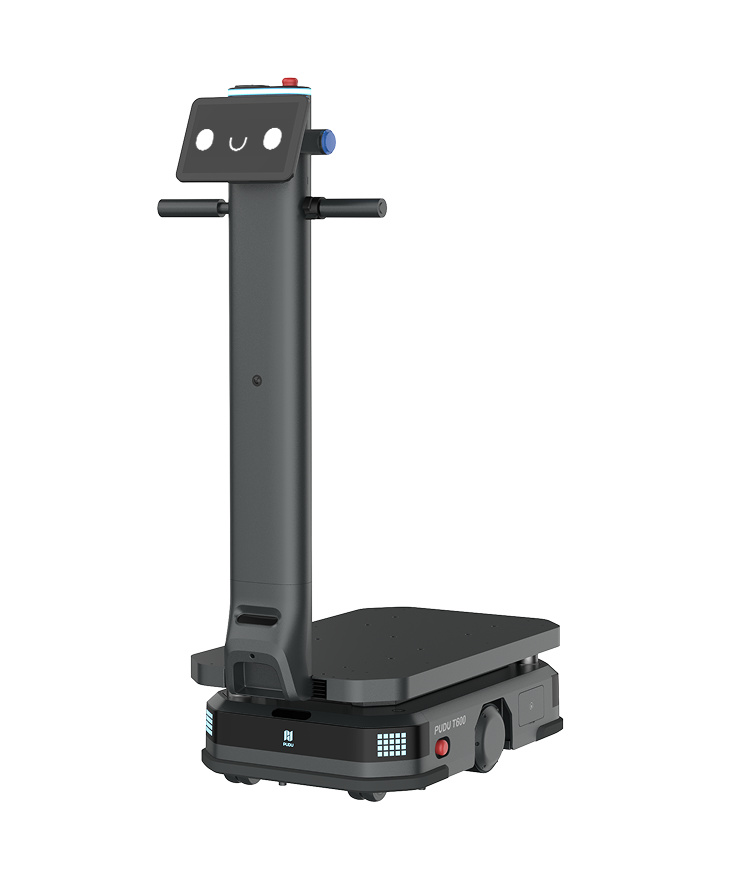
In warehouses and manufacturing, delivery robots are used differently from hospitality robots. The main goal is to move parts, tools, materials, totes or components across repeatable routes.
Potential use cases:
- Line-side delivery
- Parts movement
- Tool delivery
- Work-in-progress transport
- Warehouse zone-to-zone movement
- Repetitive back-and-forth material movement
Important considerations:
- Payload
- Route width
- Forklift traffic
- Floor condition
- Safety zones
- Loading and unloading process
- Integration with production workflow
- Staff ownership and supervision
Recommended models:
- • T300 for industrial delivery and material movement
- • T600 for higher payload applications
- • MP2000 for full-pallet handling
- • PuduBot 2 only for lighter commercial-style movement
Why us
Why choose Workplace Robotics?
Workplace Robotics helps Australian businesses assess, select, deploy and support delivery robots. The goal is not to sell the most impressive robot. The goal is to recommend the robot that fits the route, task, payload, workflow and business case.
FAQ
Frequently asked questions
Last updated: June 2026