
 Industrial Delivery Robot
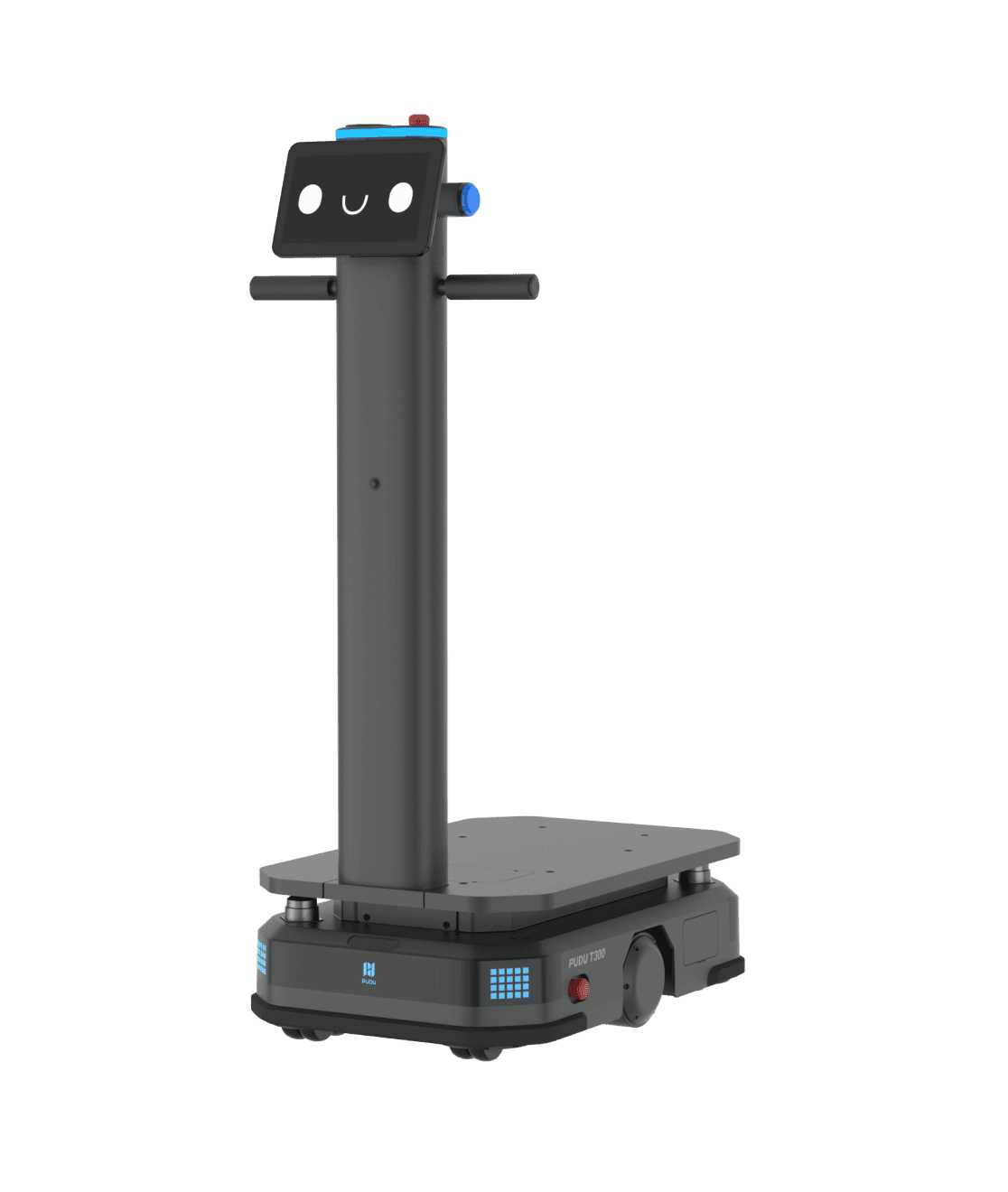
PUDU T300
Industrial delivery robot for warehouses and manufacturing internal transport.
from A$28,000
from A$38 / day
Solutions / Industrial & logistics
Autonomous mobile robots for warehouse material movement, factory line-side delivery and internal logistics. PUDU T300, T600 and MP2000 — sold, deployed and supported by Workplace Robotics across Australia.
3 models across wheeled AMRs.
Industrial Delivery RobotIndustrial delivery robot for warehouses and manufacturing internal transport.
 Industrial Delivery Robot
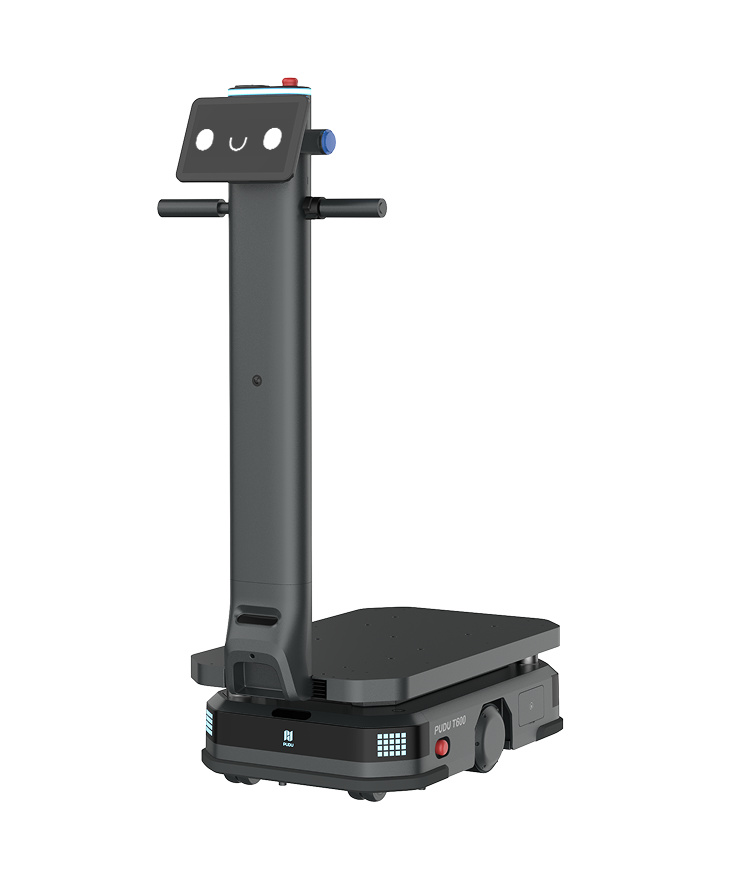
Heavy-payload industrial delivery robot for demanding warehouse and manufacturing sites.
 Industrial Delivery Robot
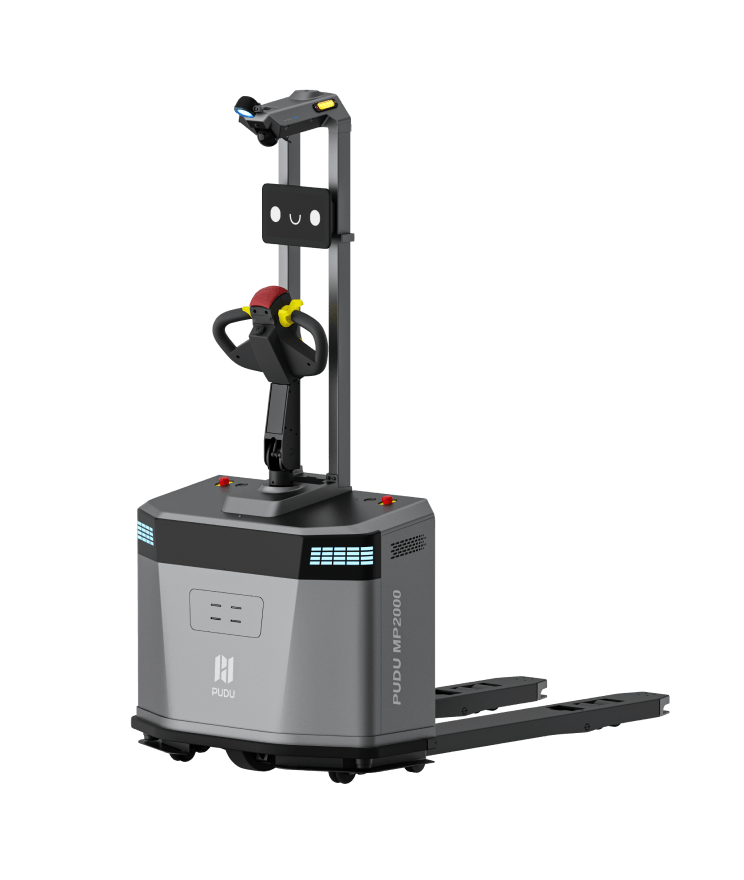
AI-native pallet-handling AMR for 2,000 kg loads — 20-second fork insertion and 90° pickup in aisles as narrow as 2 m.
Industrial logistics robots — also called autonomous mobile robots, or AMRs — automate the repetitive transport leg of warehouse, manufacturing and distribution operations. They move pallets, totes, trolleys and parts between fixed points using LiDAR + visual SLAM, navigating dynamically around staff and obstacles.
Unlike traditional AGVs that follow fixed magnetic or marker paths, AMRs map your site and re-route on the fly. The PUDU T300 is an autonomous mobile robot for factory logistics and warehouse material transport, with a 300 kg maximum load, VSLAM + LiDAR SLAM navigation and a minimum path clearance of 60 cm. The T600 doubles the payload to 600 kg, and the MP2000 moves full pallets up to 2,000 kg with 20-second fork insertion.
From warehouse aisles to outdoor yards.
Move pallets, totes and trolleys between picking, packing and dispatch zones — T300 handles 300 kg, T600 handles 600 kg, MP2000 moves full pallets up to 2,000 kg.
Replace repetitive manual trolley and pallet-jack runs
Warehouse robotsDeliver parts and consumables to production stations on schedule — keep operators at the line.
Reduce line-side stockouts
Manufacturing robotsContinuous internal transport between buildings, mezzanines and storerooms on mapped routes.
Run unattended around the clock
Facilities robotsUnderride model for rack handoff; standard model for tote and carton movement across 3PL sites.
Standardise transport SLAs
Move goods between dock doors, mezzanines and staging areas without manual trolley runs.
Reduce congestion at peak times
Transport returned goods from dock to inspection and put-away zones on repeatable routes.
Speed up returns processing
Match payload, navigation and operating environment to your workflow.
| Model | Best for | Payload | Run-time | Navigation | Details |
|---|---|---|---|---|---|
| PUDU T300 | Warehouse & factory internal transport | 300 kg max | 6–12 h | VSLAM + LiDAR SLAM (60 cm min path) | View |
| PUDU T600 | Heavy material & rack movement | 600 kg max | 12 h (no load) | VSLAM + LiDAR SLAM (70 cm min path) | View |
| PUDU MP2000 | Pallet handling & full-pallet transport | 2,000 kg max | 6–12 h | 3D LiDAR-SLAM + VSLAM (90° pickup in 2 m aisles) | View |
Indicative pricing in AUD. Final quote subject to site assessment and approval.
Lease from A$38/day (T300).
Use this before a site assessment to scope quickly.
Book a site assessment and Workplace Robotics will help you identify the right robot, commercial model and deployment pathway.